
Loose, broken, or infected dental implant: what to do first
By Julian Cohen · Updated 2026-07-01
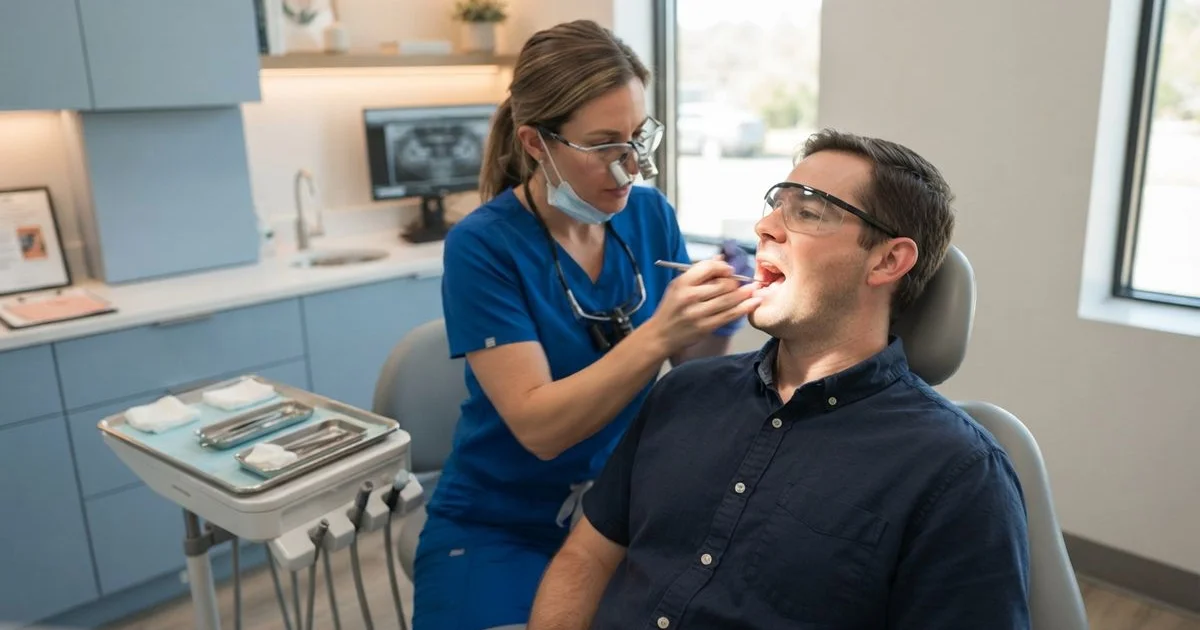
An implant that suddenly feels wrong, loose, painful, or just off, understandably triggers some panic, especially after investing time and money into getting it placed. Most of the time the problem is fixable, and knowing what actually counts as urgent versus what can wait for a regular appointment helps you respond calmly instead of guessing. If it is your natural bridge or denture showing similar warning signs rather than an implant, our guide on replacing a failing bridge or denture with implants covers that decision instead.
What counts as urgent
Treat these as reasons to call same day: pain that is getting worse rather than better, visible swelling that is spreading, a bad taste or odor near the implant that will not go away, or the implant post itself feeling mobile, not just the crown on top of it. Fever alongside any of these is also a signal to seek care quickly, since it can point to a spreading infection.
What can usually wait for a regular appointment
A crown that feels slightly loose but is not painful, minor cosmetic chipping that does not affect how you bite, or general soreness that is stable rather than worsening can typically be scheduled as a normal appointment rather than an emergency. When in doubt, calling the office and describing your symptoms lets staff make that call rather than you guessing on your own.
What to do in the first few hours
Avoid chewing on the affected side until you are seen. Do not attempt to tighten, glue, or adjust a loose crown yourself, since that can push debris into the implant site or cause further damage. Over-the-counter pain relief and a cold compress on the outside of the jaw can ease discomfort while you wait for an appointment, but they are a bridge, not a fix. If you notice worsening symptoms, particularly fever or spreading swelling, that is a signal to seek care sooner rather than waiting to see if it improves.
Loose crown versus loose implant: why the distinction matters
| Symptom | Likely cause | Typical fix |
|---|---|---|
| Crown wiggles, implant post feels stable | Loose abutment screw or cement failure | Often a straightforward in-office repair |
| Implant itself feels mobile | Possible integration failure or bone loss | Requires exam and imaging to assess |
| Swelling and pain increasing | Possible infection | Needs prompt evaluation, sometimes antibiotics |
| Persistent bad taste or odor | Possible infection around the implant site | Needs prompt evaluation |
Only a clinical exam, often with imaging, can tell these apart reliably, which is why calling rather than waiting matters even for symptoms that feel minor.
Finding urgent care quickly
Many practices in the same-day and immediate load implants category are set up to see urgent cases quickly, since same-day scheduling is already part of how they operate. If your original provider cannot see you promptly, do not hesitate to call another local practice and explain the situation; most dental offices reserve some capacity for exactly this kind of call.
Calling ahead: what to have ready
Before you call, jot down when the problem started, whether it followed anything specific like biting on something hard, and how your symptoms have changed since it began. Front desk staff triaging urgent calls use this information to decide how quickly you need to be seen, so having it ready speeds up getting an answer rather than fumbling through details on the phone while stressed. It also helps to have your implant provider’s name on hand if you end up calling a different office, since your original records can usually be requested and shared quickly in an urgent situation.
After the immediate problem is resolved
Once the urgent issue is addressed, ask your provider what caused it, whether it was a mechanical issue, a hygiene factor, or something related to how the implant was integrating. Understanding the cause helps prevent a repeat, and it is a reasonable question to ask rather than just being relieved the pain is gone. You can compare providers known for responsive urgent care on the Columbia, SC Dental Implants Provider Guide, and our methodology factors in how consistently a practice is described as responsive when patients report a problem.
This guide offers general triage information, not medical advice. If you are experiencing severe pain, spreading swelling, fever, or difficulty swallowing or breathing, seek care immediately rather than waiting for a scheduled appointment.
FAQ
- Is a loose implant always an emergency?
- Not always, but treat it as urgent. A loose crown on top of an otherwise stable implant is different from the implant post itself moving, and only an exam can tell you which one you are dealing with, so call promptly either way.
- What are the signs my implant might be infected?
- Swelling that is getting worse rather than better, pain that increases instead of easing, a bad taste or odor near the site, or visible pus are all signs worth an urgent call rather than waiting it out.
- Can I fix a loose implant crown myself while I wait for an appointment?
- No. Attempting to tighten, glue, or adjust it yourself can damage the implant or push debris into the site. It is fine to avoid chewing on that side and call for guidance instead.
- How quickly do Columbia practices typically see urgent implant problems?
- Many practices in the area reserve same-day slots for urgent cases, particularly loose or broken restorations and suspected infections, though availability varies, so call rather than assume you will need to wait days.