Dental implants for seniors: what changes with age and what to ask
By Julian Cohen · Updated 2026-07-16
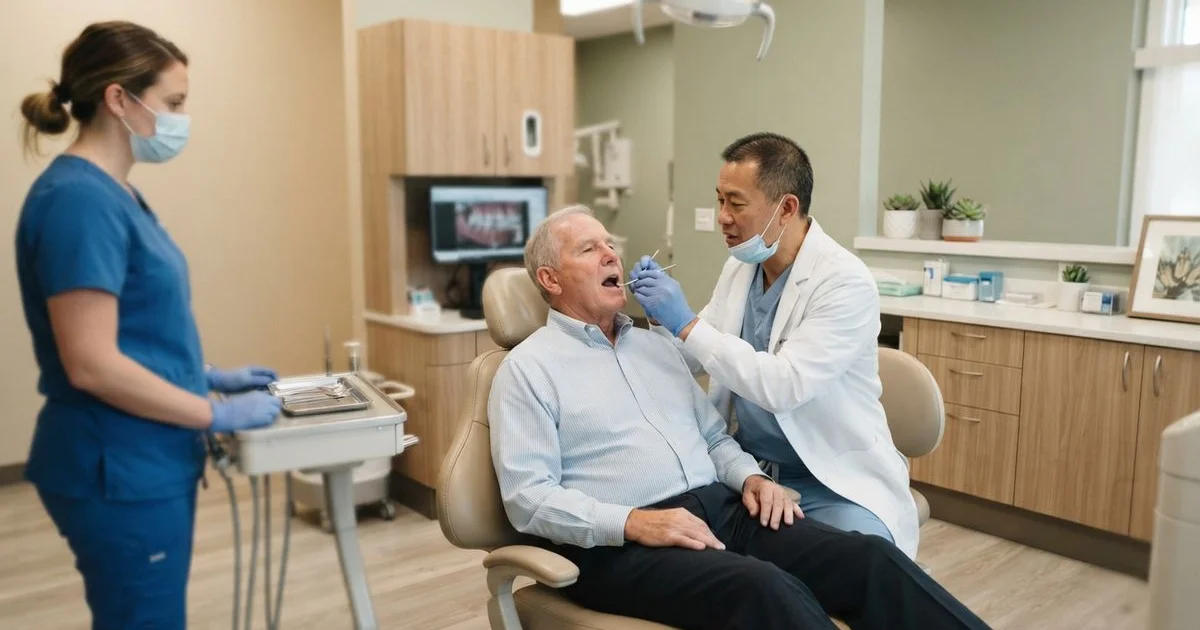
Tooth loss becomes more common with age, and implants are one of the most requested solutions among older adults in Columbia looking for something more stable than a removable denture. Age itself is not a barrier to treatment, but there are real, age-related factors worth understanding before you commit, since they shape both candidacy and what you should ask at a consultation.
Why age alone is not the deciding factor
Providers evaluate candidacy based on bone density, healing capacity, and how well any chronic conditions are managed, not a birth year. Two people the same age can have very different implant outcomes depending on these factors. That said, certain patterns do show up more often in older patients, and it is worth going in aware of them rather than assuming your case will look identical to a younger patient’s.
Bone density and jawbone health
Long-term tooth loss and years of denture wear can both contribute to reduced jawbone density over time, which is more common the longer teeth have been missing. This does not rule out implants; a bone graft can often rebuild enough volume to support one. It does mean imaging plays an even bigger role in planning, since it reveals exactly what your jaw can support before any surgical decisions are made.
Chronic conditions and medications
Conditions common among older adults, including diabetes, osteoporosis, and cardiovascular disease, can affect healing and treatment planning. Certain osteoporosis medications, particularly some bisphosphonates, are specifically relevant to implant surgery and worth flagging early. Blood thinners also matter for surgical planning. None of these automatically disqualify you, but a thorough provider will want your full medication list and recent medical history before finalizing a plan.
Implants versus dentures: a fair comparison for older patients
| Factor | Implants | Traditional dentures |
|---|---|---|
| Stability while eating and speaking | High, anchored to bone | Lower, relies on suction and fit |
| Jawbone preservation | Helps maintain bone through normal chewing forces | Bone loss continues over time |
| Upfront cost | Higher | Lower |
| Recovery involved | Surgical healing period required | No surgery required |
| Long-term maintenance | Cleaning similar to natural teeth | Regular relines as bone changes shape |
Neither option is universally better for older patients; the right choice depends on bone health, budget, and how much surgery and healing time feel manageable for your situation. If the higher upfront cost is the main barrier rather than a health concern, our guide to free and low-cost dental implant options in Columbia covers ways to reduce it.
Coordinating with a primary care physician
For older patients managing several conditions at once, it often helps for the implant provider and primary care physician to communicate directly, particularly around medications and any recent lab work relevant to healing. Bringing a written medication list, and asking whether your provider wants to coordinate with your physician before finalizing the surgical plan, is a reasonable request and one that thorough practices are used to accommodating. If you have a family member who usually helps track your medications or appointments, it is worth including them in this step too, since a second set of eyes catches details that are easy to miss on your own. Bringing them to the consultation itself, if your schedule allows, tends to help everyone leave with the same understanding of the plan rather than relying on a secondhand recap afterward that may miss a detail or two. If you are the one helping a parent weigh this decision rather than deciding for yourself, our guide on helping an aging parent decide about dental implants walks through that conversation.
Questions worth asking at a consultation
Ask directly how your specific bone density and medical history affect the recommended treatment plan, rather than accepting a generic recommendation. Ask whether any current medications need to be paused, adjusted, or specifically accounted for around your surgery date. And ask what a realistic healing timeline looks like for your case specifically, since averages do not always reflect individual healing pace. A provider who takes these questions seriously, rather than rushing past them, is generally a good sign.
Our methodology on the Columbia, SC Dental Implants Provider Guide weighs how thoroughly providers are described handling complex medical histories, which matters more for older patients navigating multiple health factors at once.
This guide provides general information and is not medical advice. Talk with your dentist and physician about how your specific health history and medications affect your candidacy for dental implants.
FAQ
- Is there an age limit for getting dental implants?
- No fixed age cutoff exists. What matters more than the number on your birth certificate is your bone health, healing capacity, and how well any chronic conditions are managed, all of which vary widely among people of the same age.
- Do implants heal more slowly in older adults?
- Healing can take somewhat longer, particularly if bone density has decreased or if conditions like diabetes affect circulation, but many older adults heal successfully on a similar overall timeline to younger patients.
- Are implants a better option than dentures for someone in their 70s or 80s?
- It depends on bone health, budget, and personal preference rather than age alone. Implants offer more stability and can help preserve jawbone, but dentures remain a reasonable choice for some patients, particularly with significant bone loss.
- Do medications commonly taken by older adults affect implant treatment?
- Some do, including certain osteoporosis medications and blood thinners, so bring a full medication list to your consultation so your provider can plan around anything relevant.